TOKYO AT THE SPEED OF ATTENTION
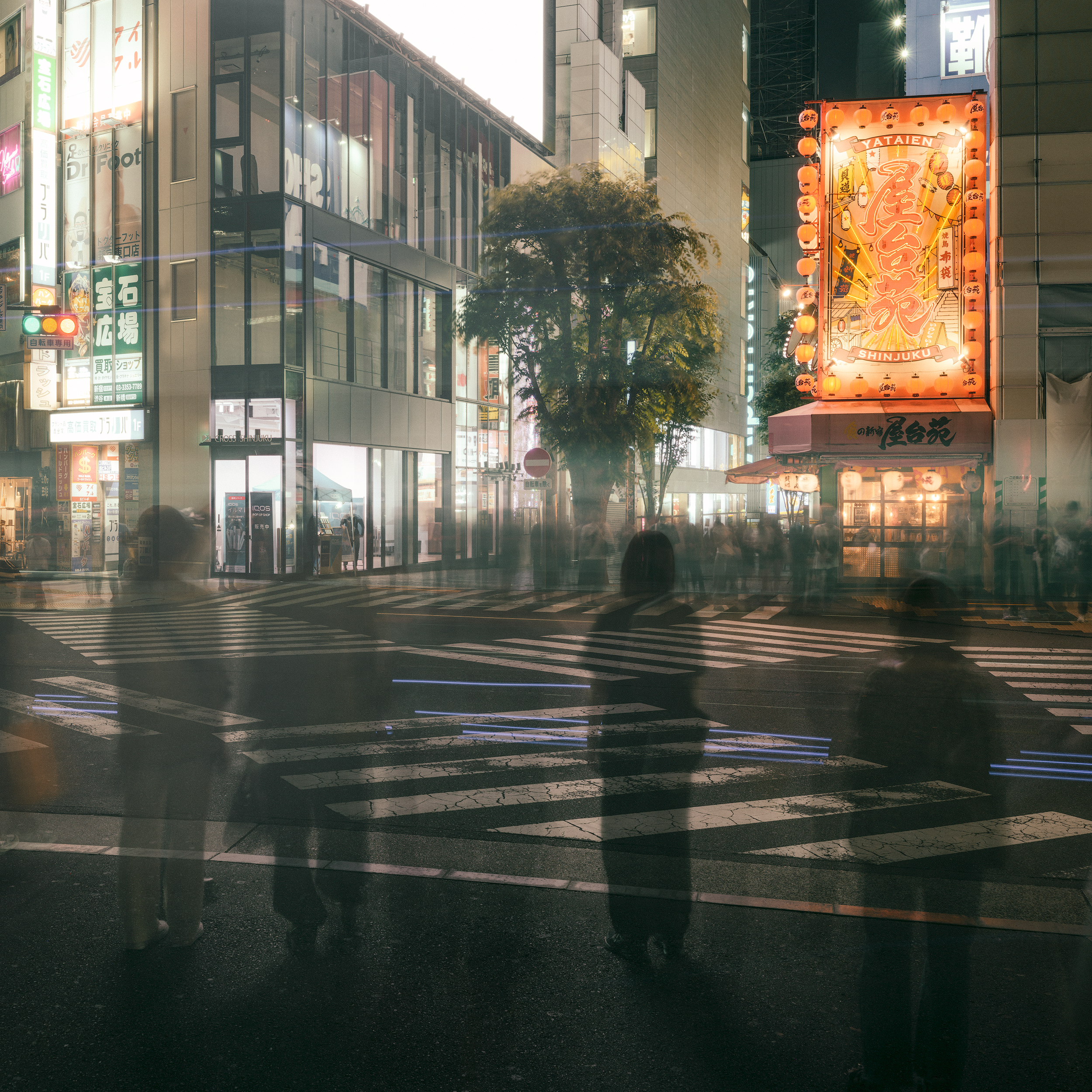
Tokyo moves with a pace that feels almost impossible to comprehend.
You don’t ease into it — you’re dropped into it.
Most of Tokyo is remarkably peaceful, even at night.
But Shinjuku and Shibuya are different — intentionally chaotic, built for motion — and that’s where the overwhelm hit me first.
Shibuya Crossing pulsed in every direction.
A rush of sound, color, movement — all of it arriving at once.
And after decades of living on a quiet island in the middle of the Pacific, stepping into that kind of acceleration was a genuine shock to the system.
Not fear.
Not panic.
Just the honest sensation of too much, too fast.
So instead of pushing through it, I stepped away.
We found a small overlook bar above the crossing — the kind where you buy a drink for access — and stayed there for half an hour. From above, the frantic energy softened into something rhythmic. Waves of people flowing in and out of the intersection. Lines dissolving and reforming. A tide, not a scramble.
Little by little, the noise settled.
My breathing slowed.
The city began to make sense.
And once the overwhelm dissolved, the seeing returned.
Slowing down isn’t just emotional — it’s practical.
When you stop matching the pace of your environment, you start seeing its structure more clearly.
That’s when the long exposures began.
Long exposure is simply how I see.
How I work — a way of slowing the world just enough to reveal the mood beneath it.
It stretches the moment until the scene begins to speak.
Chaos becomes atmosphere.
Movement becomes mood.
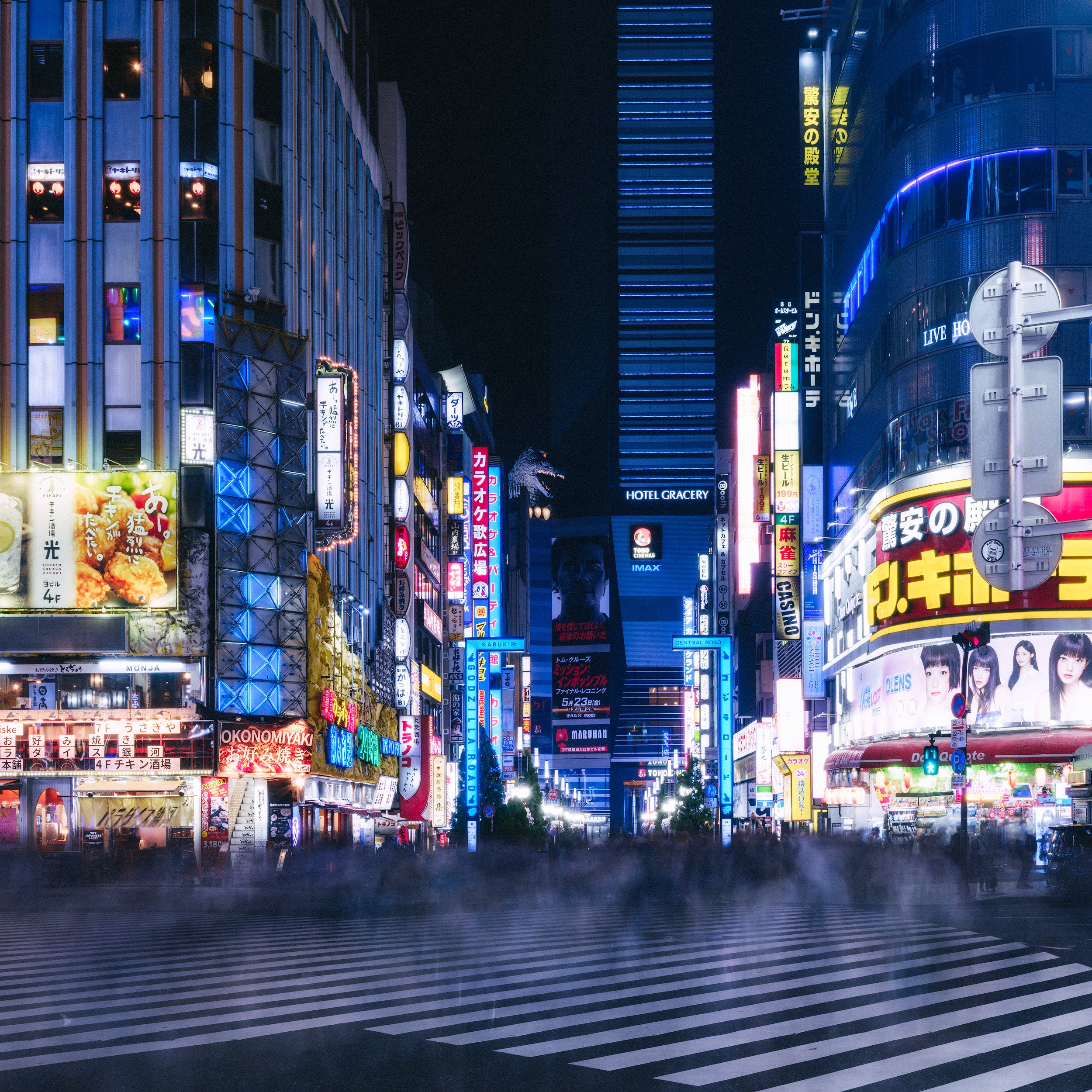
In Shinjuku, the neon towers felt less like signs and more like luminous pillars shaping the night. People drifted through the frame as soft traces rather than sharp distractions. The longer the shutter stayed open, the quieter the city became — not just literally, but emotionally. The photograph held a version of Tokyo that matched the way I was beginning to feel inside it.
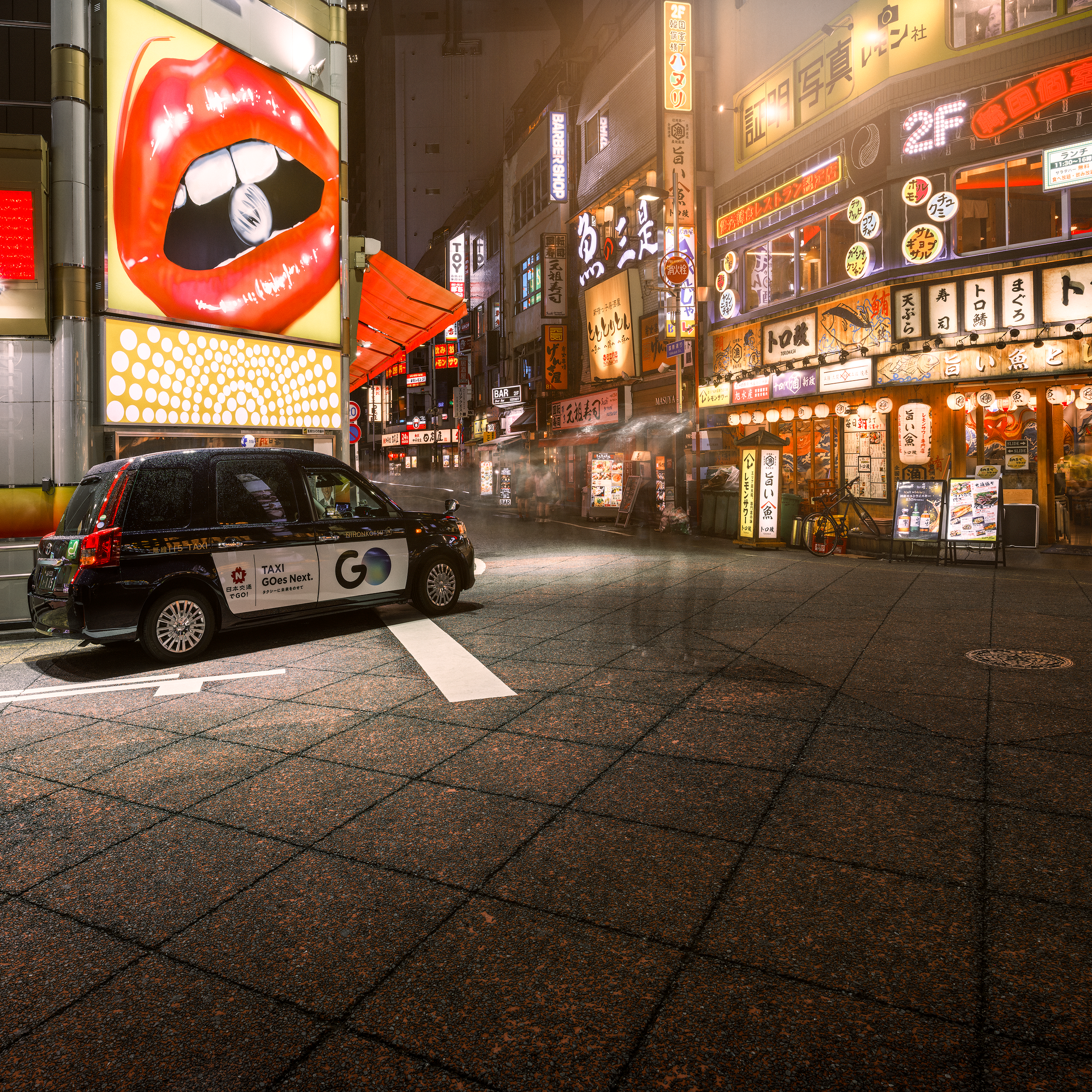
Time changed the way Tokyo felt — not by slowing it down, but by softening its edges.
Tokyo never slowed down.
But once I did, it became a different place entirely.
Vibrant, alive, endlessly in motion — yet somehow gentle beneath it all.
The pace didn’t change.
My relationship to it did.
And sometimes, that’s enough.

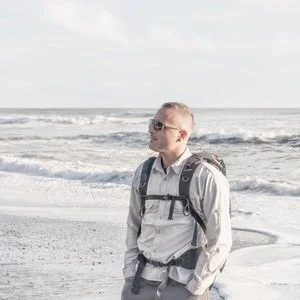
Hi, I’m Scott Reither—fine art photographer, educator, and the founder of The Curated Landscape.
I created this space to share reflections and tools for photographers who want to go deeper—into their craft, their process, and how they connect with the world through the lens.