

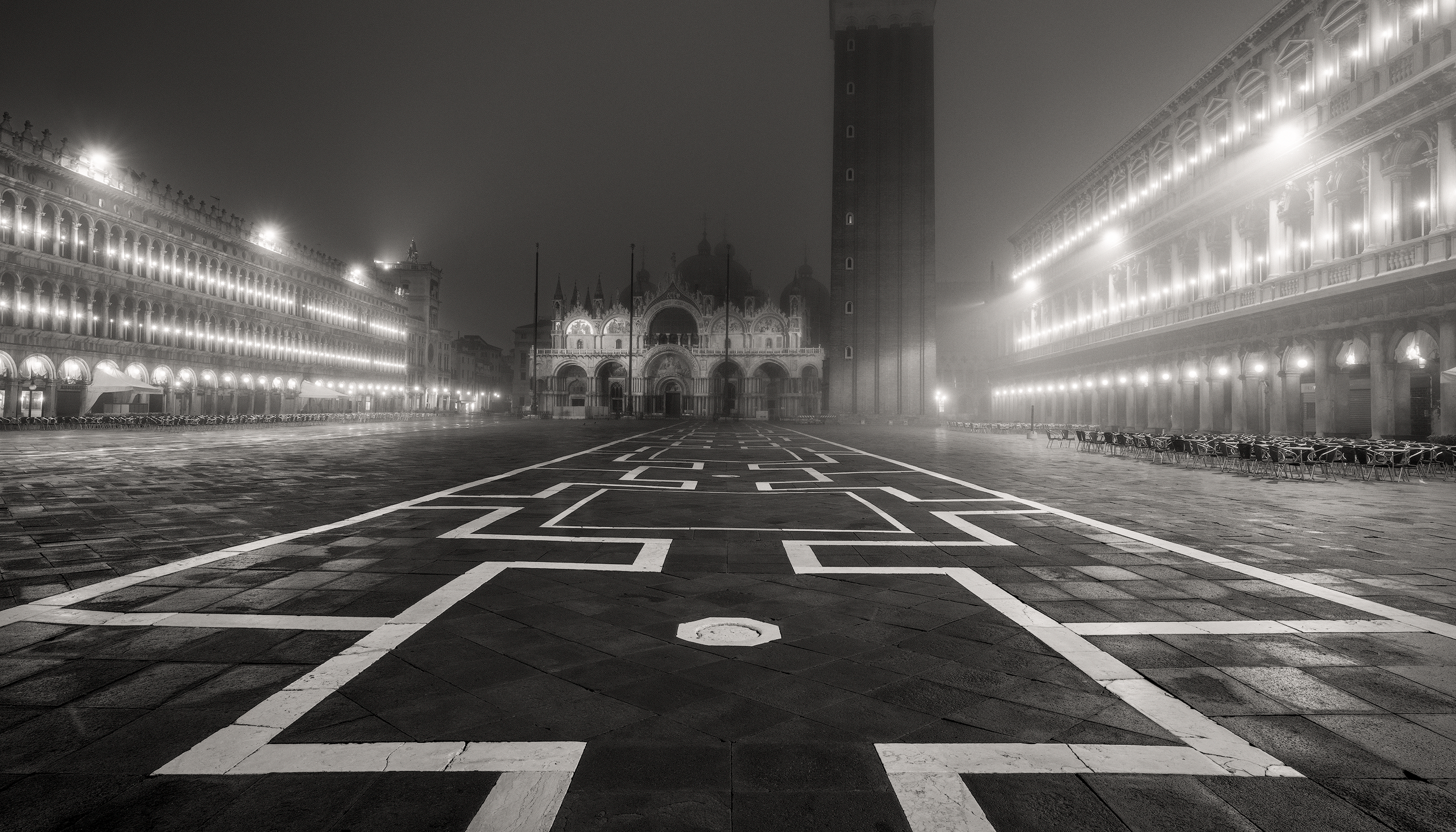
VENICE IN WINTER
JANUARY 23-29, 2027
A SMALL-GROUP VENICE PHOTOGRAPHY WORKSHOP & GUIDED EXPERIENCE
Limited to 3-5 Participants
When Venice Slows Down
Venice changes in winter.
The crowds thin.
The pace softens.
Water becomes quieter.
Light becomes gentler.
Streets and canals feel less performative, more lived in.
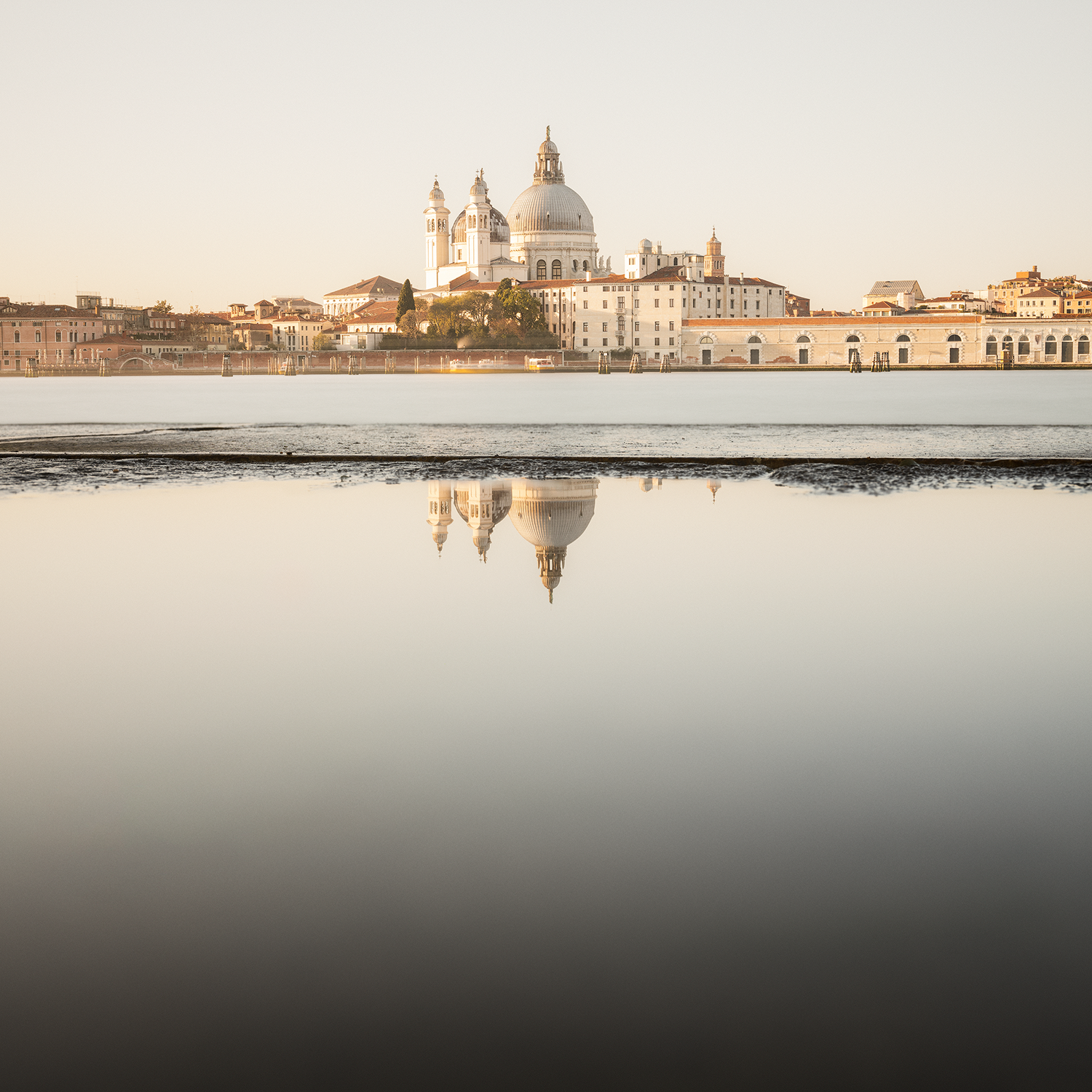
There’s space to watch how light drifts across stone — reflections settling, atmosphere gathering and dissolving.
This workshop is built around that quieter version of Venice.
Not the spectacle.
Not the checklist.
But the city as it reveals itself when given time.
Winter offers a kind of permission here —
to work patiently,
to move with intention,
and let photographs emerge.
It’s an invitation to experience Venice in a way most people never do.
And to photograph it from that place.
Why Winter Works in Venice
Winter changes how Venice behaves.
Fewer people move through the streets and along the canals, and the constant pressure to react, dodge, or work around activity eases. Scenes have time to settle. You can stand in one place, observe, and let a photograph take shape without interruption.
Light in winter is softer and less insistent. It doesn’t rush decisions or demand resolution. Instead, it allows patience — time to notice subtle shifts in tone, reflection, and atmosphere as they unfold.
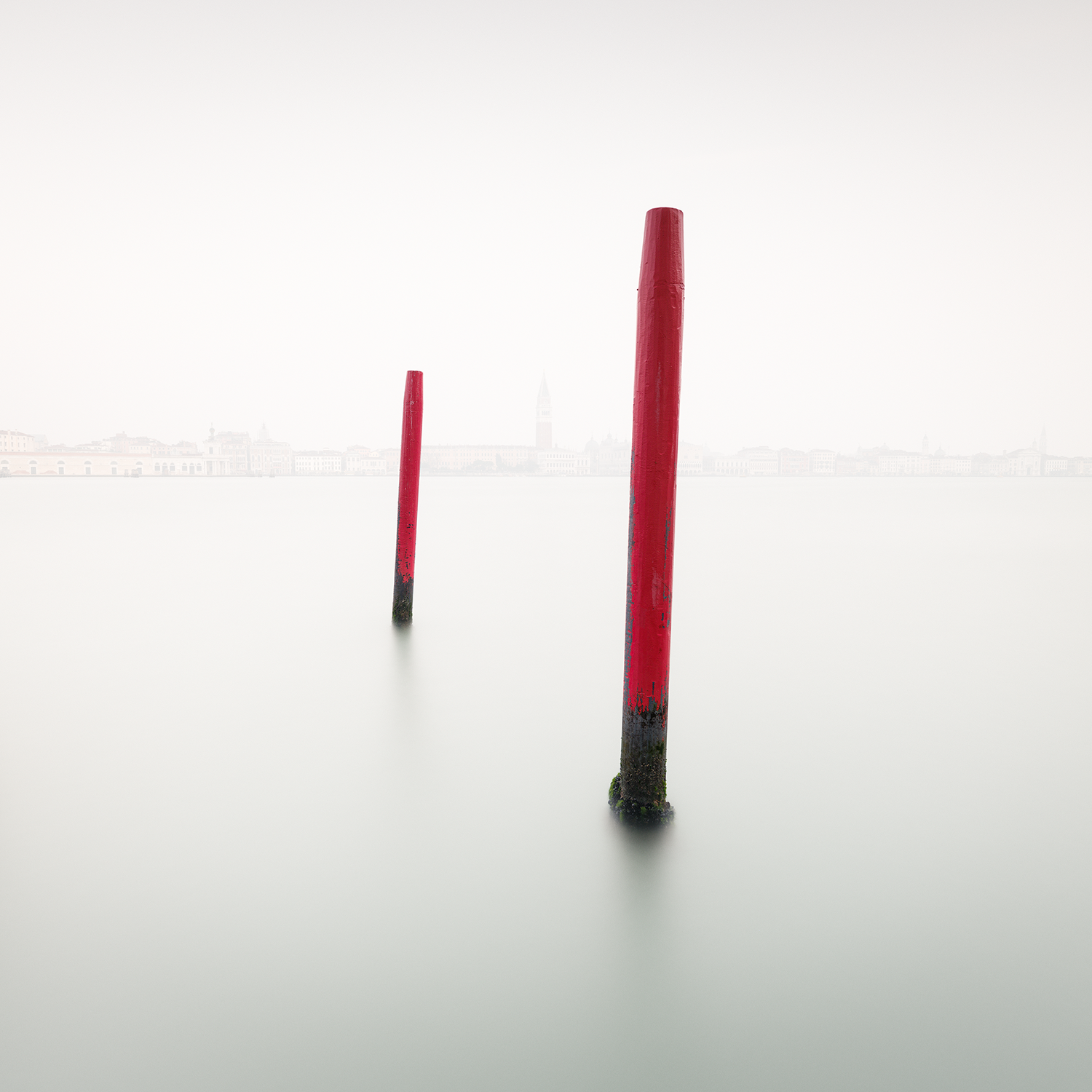
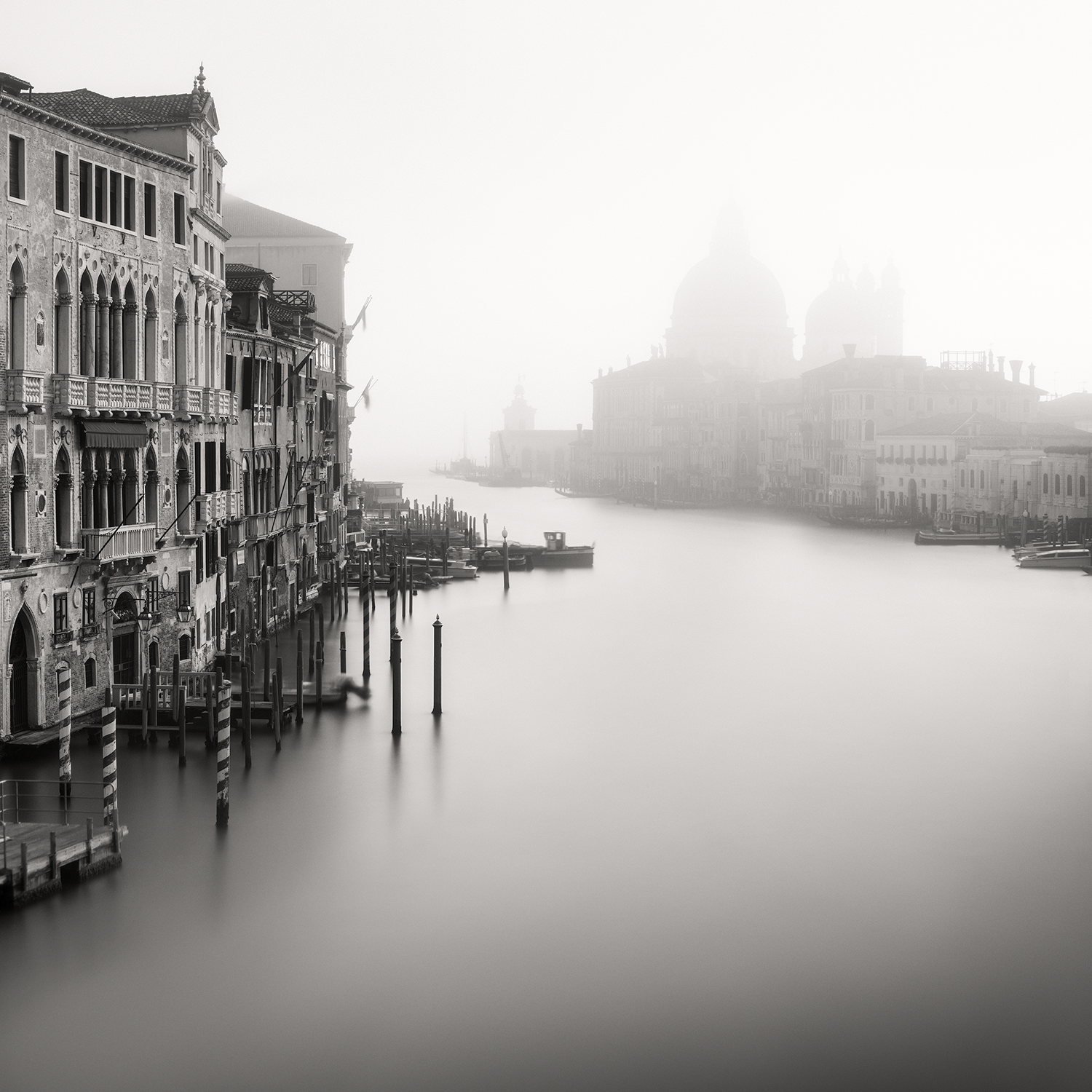
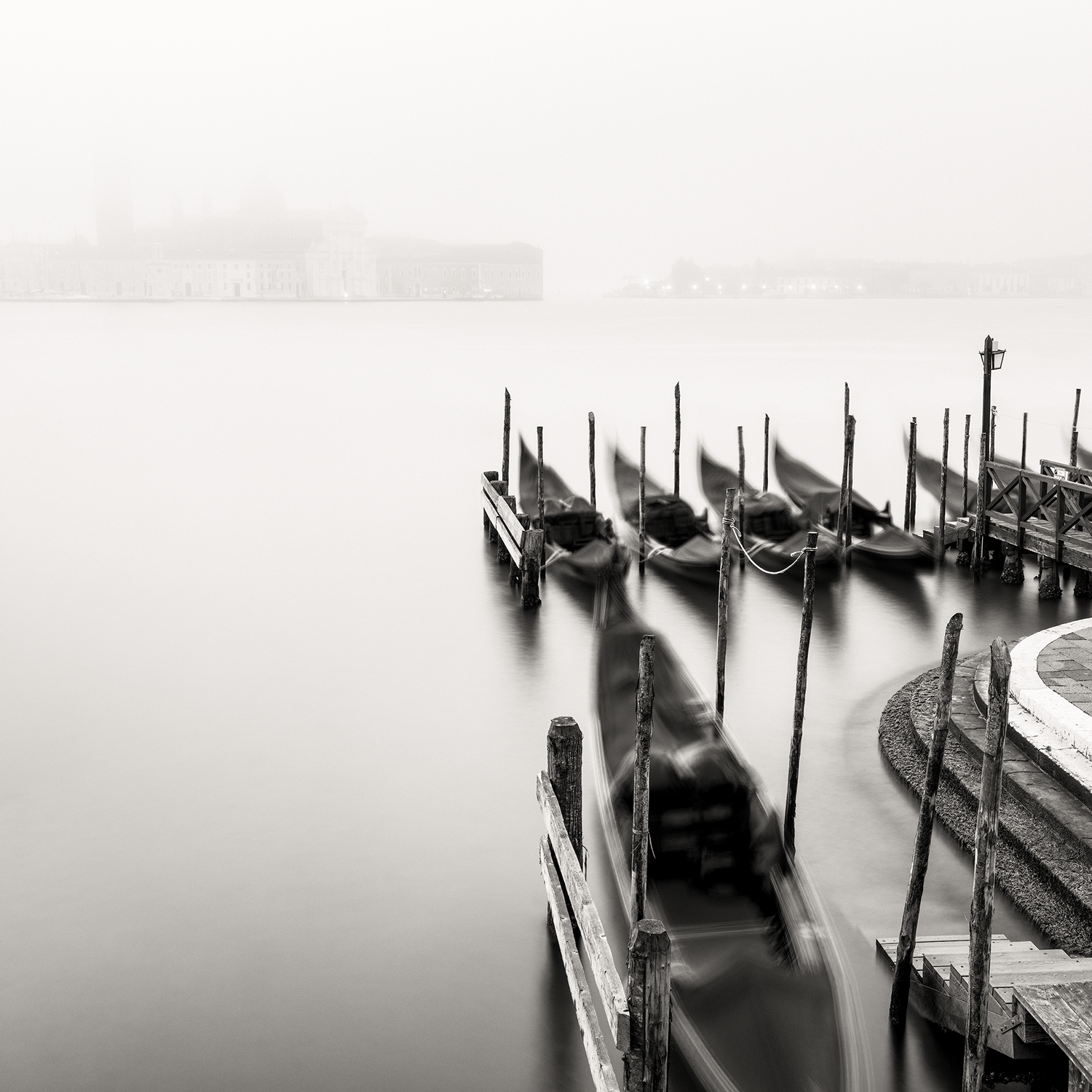
And sometimes, winter brings fog.
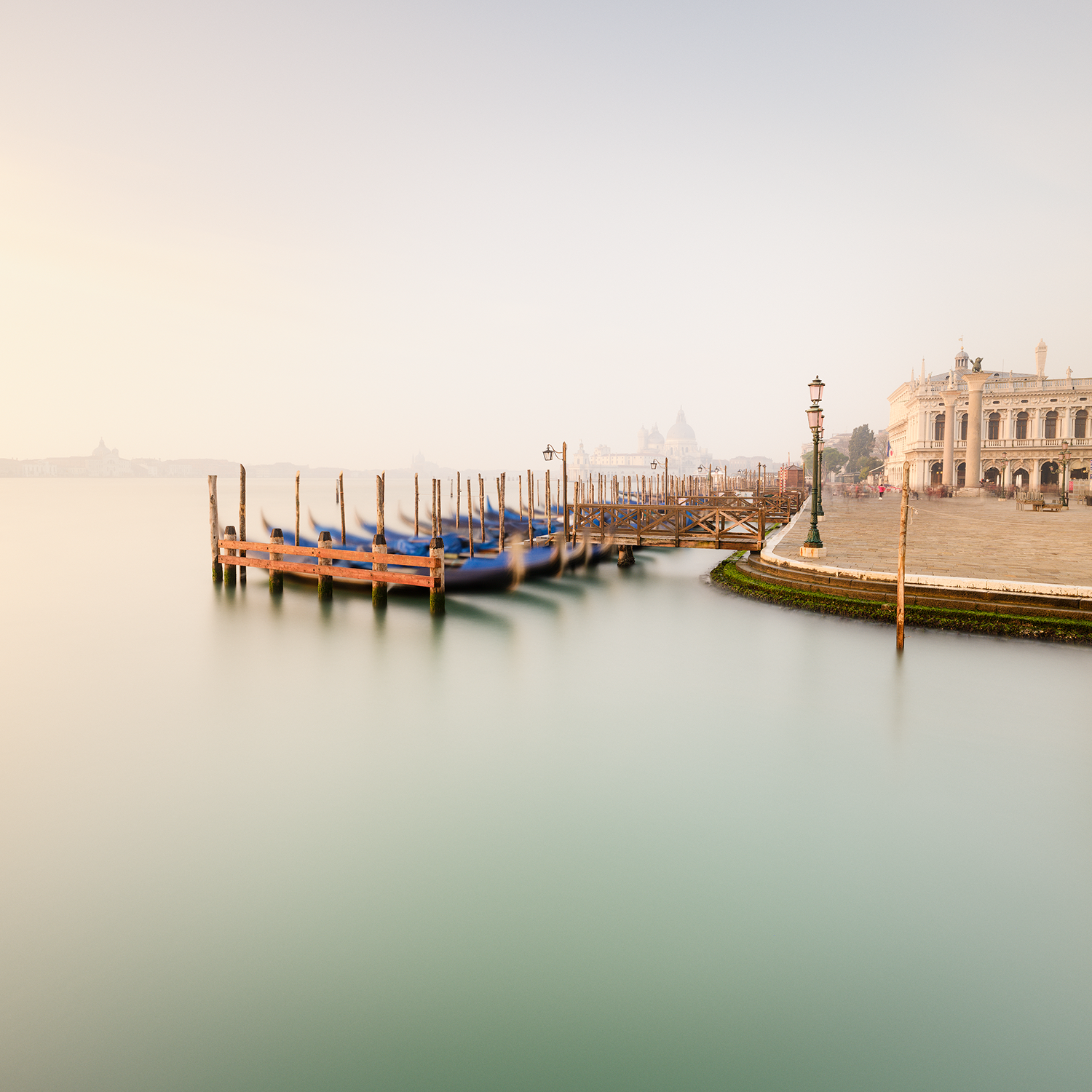
When it does, Venice simplifies. Distance collapses. Edges soften. The city becomes quieter still — loosening into a wider, softer presence, shaped by suggestion than description. Fog isn’t guaranteed, and it doesn’t need to be. Some of my strongest work here has been made without it.
What winter consistently offers is room to work slowly and attentively, without pressure. That combination is rare in Venice, and it’s why this season matters.
Why Venice Is an Extraordinary Place to Photograph
Venice is unlike any other city — not just in how it looks, but in how it asks to be experienced.
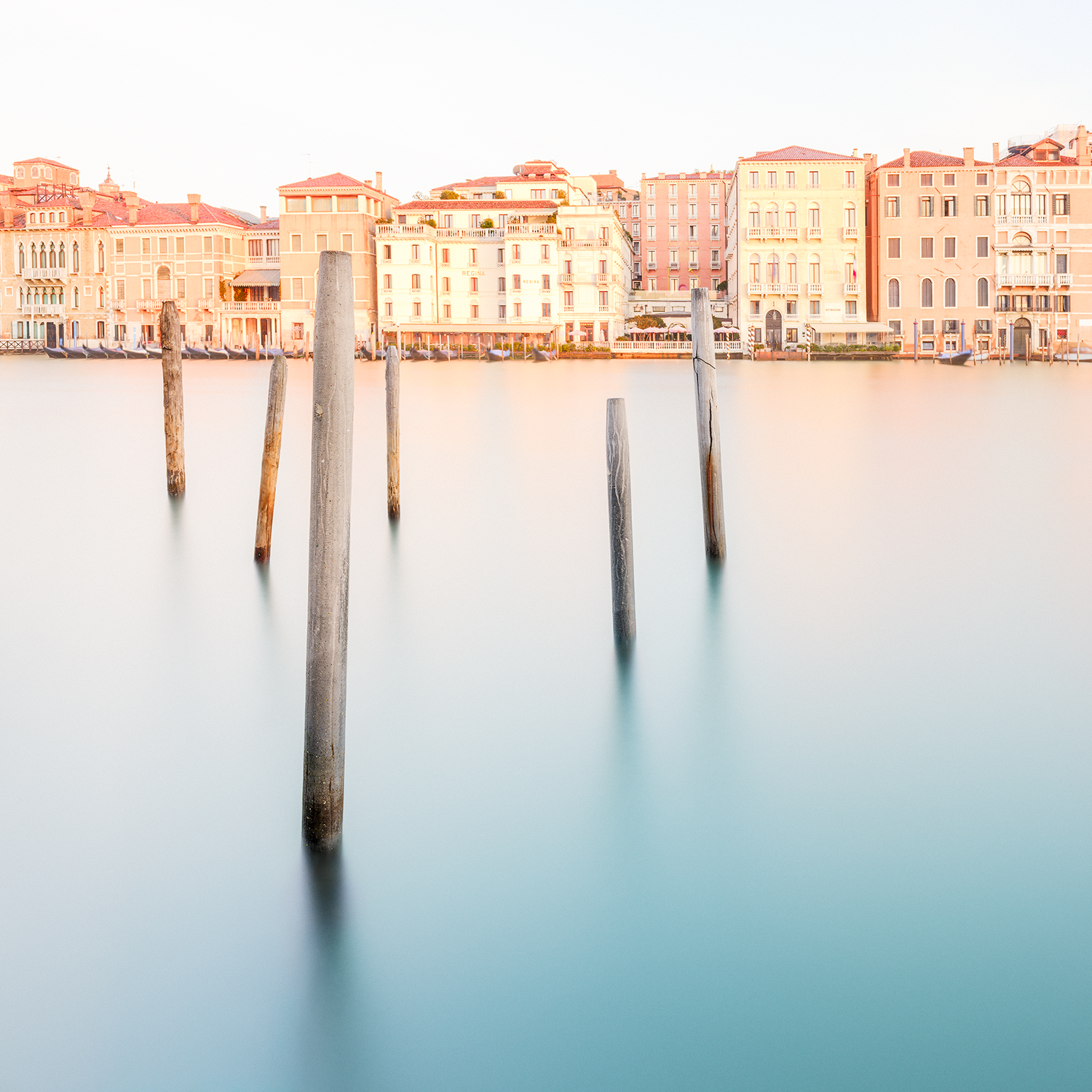
There are no cars. Movement happens on foot or by boat, and the pace changes as a result. Water is everywhere, shaping both the city and the photographs made within it. It introduces space — visual and emotional — allowing form to breathe rather than overwhelm. For photographers who understand how to balance structure with openness, this changes everything. Without water, Venice would feel dense and relentless. With it, even complex scenes settle into harmony.
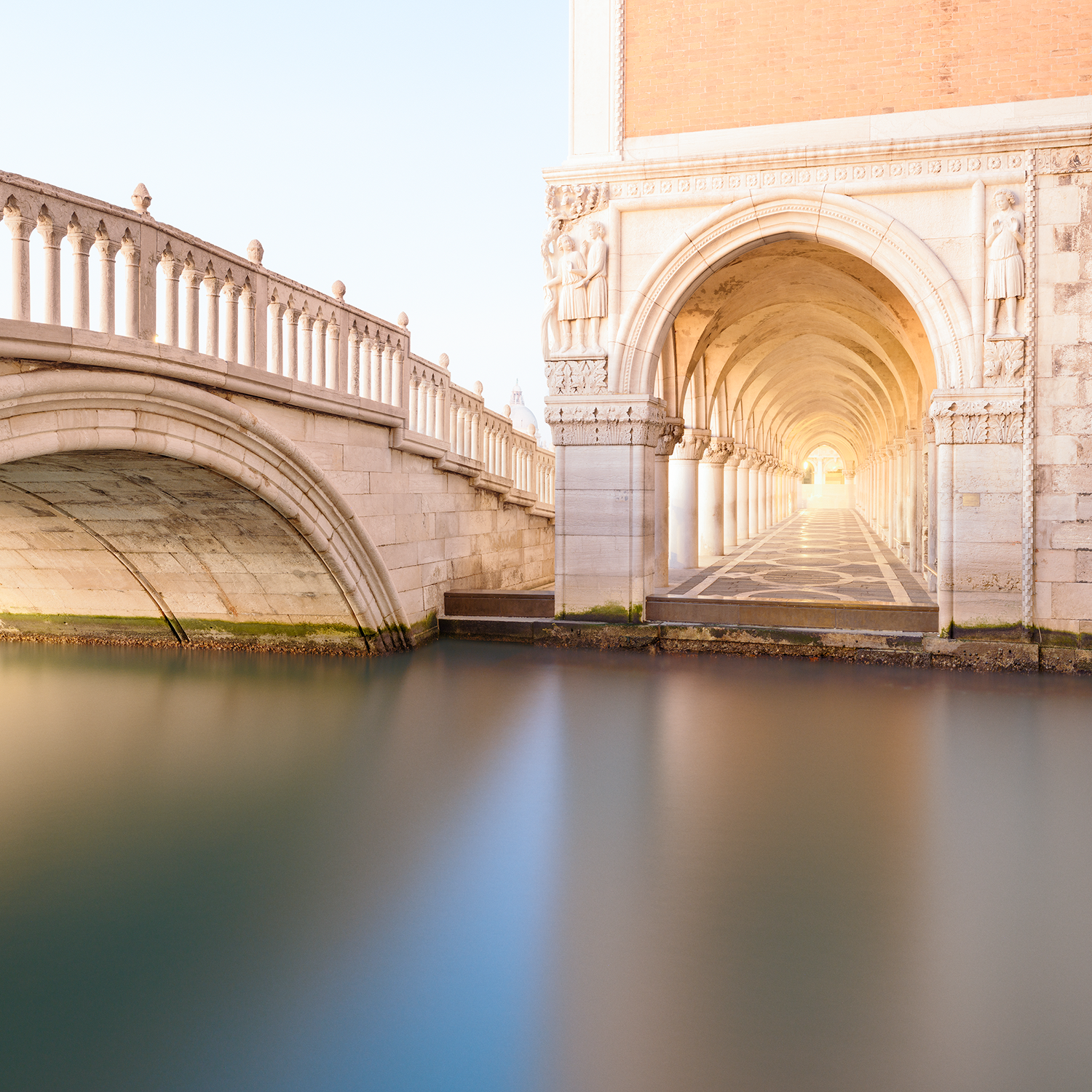
The city rewards attentive exploration. Scenes don’t announce themselves — they assemble quietly through relationships of structure and space, holding just long enough to be seen before light shifts, water responds, and the city subtly reorders what it offers in return.
Venice offers depth without urgency. You can spend a full week working here and remain fully engaged each day, knowing there is always more waiting. That balance — between structure and space, depth and openness — is what makes Venice such a powerful place to work.
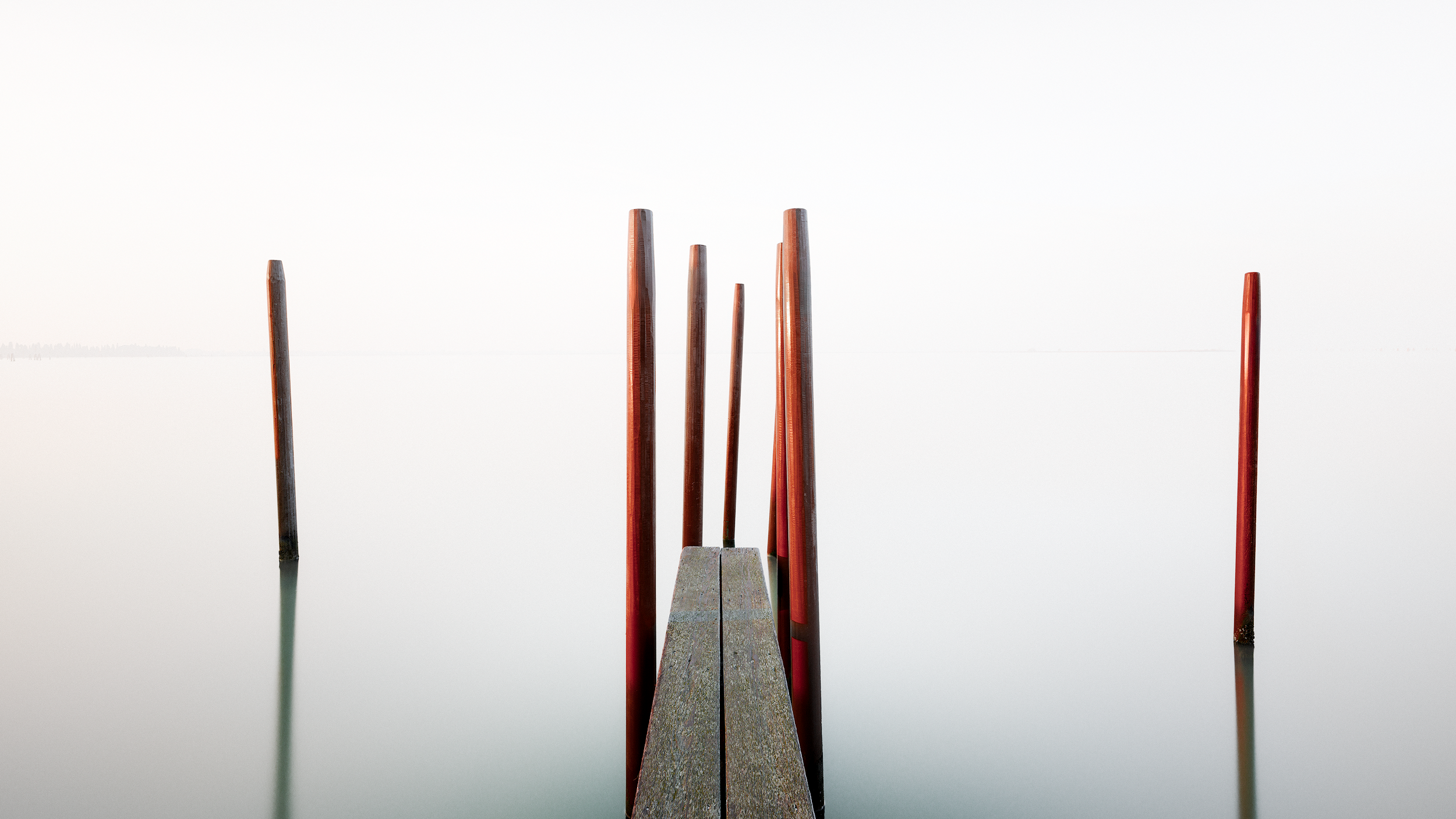
The Rhythm of the Experience
The workshop is built around full, immersive days in the city.
Most shooting days begin early, around sunrise, and unfold through the day toward evening light. Winter in Venice offers a natural arc — morning, afternoon, and evening — allowing us to respond to changing conditions without rushing. On full days, you can expect to be engaged from roughly 7:00am to early evening, with breaks built in for rest and movement between locations.
At the same time, the rhythm is not rigid.
Two half-days during the week remain intentionally flexible — not as limitations, but as a way to manage energy and allow space when it’s useful. These are decided in real time, based on weather, energy, and how the week is unfolding. On one day we may start later; on another we may finish earlier — creating space to reset when needed.
The schedule stays responsive throughout the week.
If conditions are strong, we stay with them.
If they shift, we adapt.
The goal isn’t to fill every hour, but to make sure your energy, attention, and decision-making are strongest when the light and atmosphere matter most.
What You’ll Learn
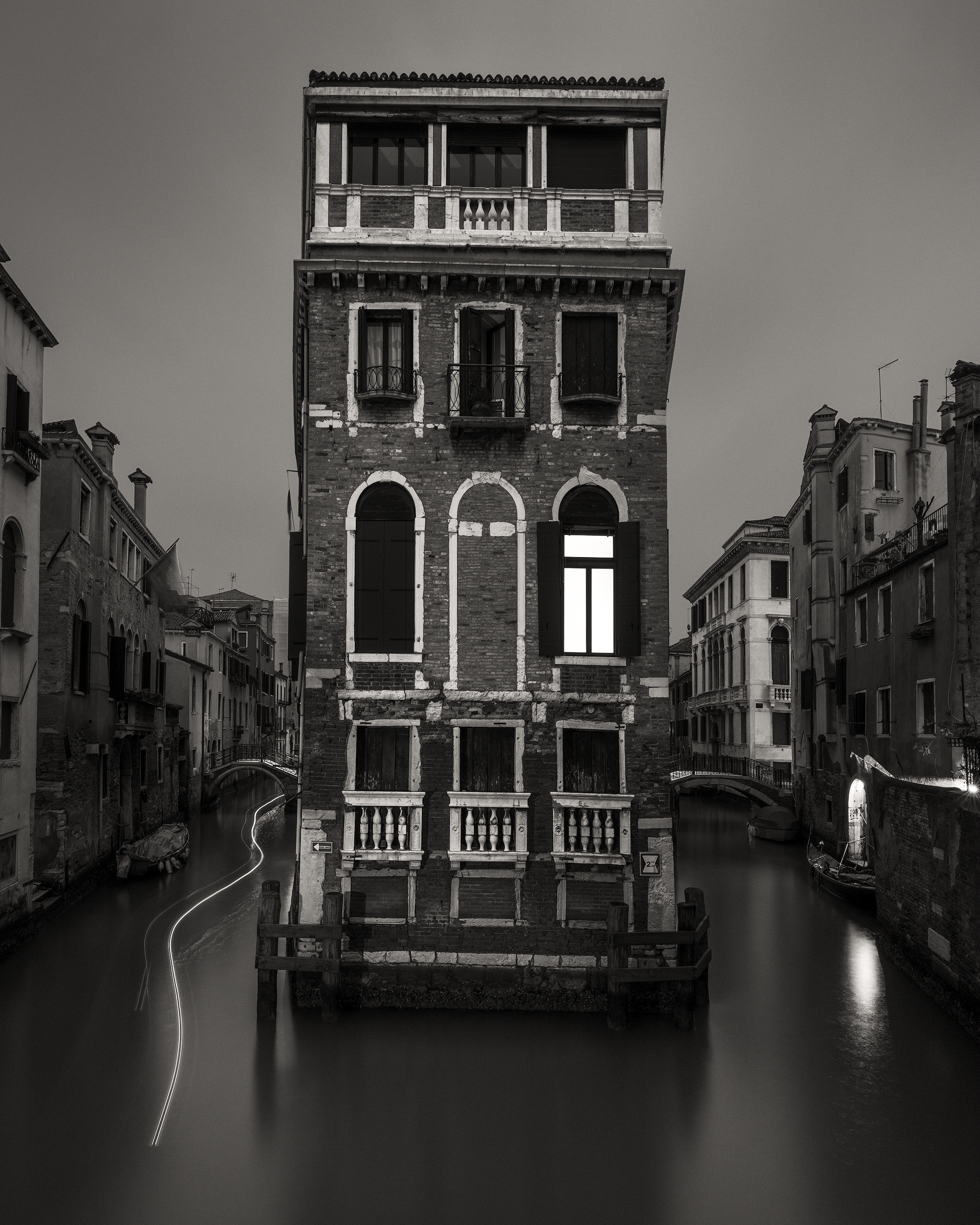
Over the course of the week, you’ll develop a clearer, more deliberate way of working in a complex environment like Venice.
You’ll learn how to slow the process down before you ever make an exposure — how to read a scene, recognize what’s essential, and understand why certain elements hold while others distract. This shift alone can change the way you approach any location.
You’ll learn how to work with changing conditions: light shifting, reflections settling, atmosphere appearing and disappearing. The emphasis is on making clear decisions — knowing when a photograph has arrived, and when it hasn’t.
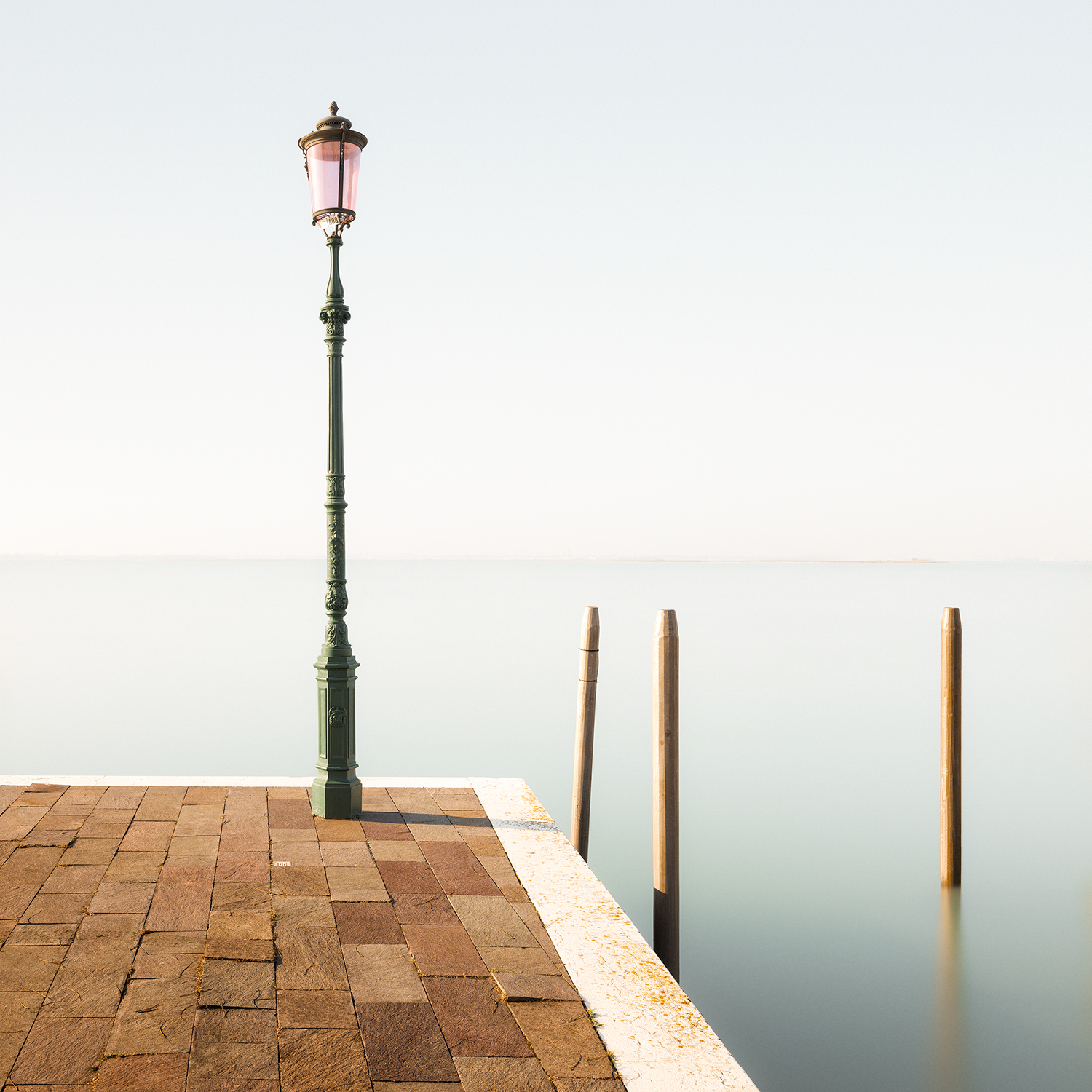
You’ll also refine how you compose with restraint — simplifying the frame, clarifying relationships, and recognizing when a photograph is finished.
Throughout the workshop, we focus on process as much as outcome: where you choose to stand, when you wait, when you move on, and how to stay engaged without forcing results.
What They’re Saying
“Scott was not only enthusiastic about photography, but deeply invested in helping me find my own direction. Our time together clarified how I want to work and what I want to pursue moving forward.”
— Tracey Condie
“Scott has a rare ability to combine technical clarity with a deep sensitivity to feeling and intention. He helped me understand not just how to make photographs, but how to recognize when an image is truly working.”
— Karen Wellman
“Scott is an exceptional mentor and inspiration. Our time together deepened my understanding of both the technical and emotional sides of photography, and how they work together. He has a remarkable way of explaining why an image works — or doesn’t — and of guiding you toward a clearer, more intentional way of seeing.”
— Jeff Cowan
Logistics and Price
Dates
January 23-29, 2027
Group Size
Limited to 3–5 participants to maintain a personal, attentive working environment.
Cost
$4,500
A 50% deposit is required to secure your place.
The remaining balance is due by November 15, 2026.
What’s Included
All in-the-field instruction throughout the workshop
Daily guidance during shooting sessions
Two informal group dinners during the week
Optional pre-workshop preparation calls for planning, gear questions, and trip logistics
A detailed pre-workshop brief covering:
lodging guidance
arrival and meeting information
packing suggestions
preparing for winter conditions in Venice
What’s Not Included
Airfare
Hotel accommodations
Meals (aside from the two group dinners)
Local transportation (public transit + taxis)
Travel, medical, or gear insurance
Walking & Comfort
Participants should be comfortable walking for extended periods while carrying camera gear. On most full days, this can amount to 10,000–15,000 steps, spread throughout the day.
Venice is a pedestrian city, and much of our movement happens on foot. Long shooting days are balanced with intentional pacing and two flexible half-days during the week to manage energy, rest, and recovery.
Weather
Winter weather in Venice can be cool and variable, with temperatures typically ranging from the mid-30s to 50s°F. Conditions are part of the experience, and the pre-workshop brief will include guidance on preparing comfortably.
Cancellation
This workshop requires a minimum of three participants to run.
If fewer than three participants register, all payments will be refunded in full.
Standard cancellation terms will be provided at the time of booking.
If this way of working speaks to you —
quiet mornings, subtle light, and the satisfaction of staying present as a photograph takes shape — I’d be glad to have you join me.
Venice is a city that rewards patience and attention. Working within it as a small group allows room for real guidance, thoughtful conversation, and sustained focus in the field. With only three to five participants, the experience remains personal, attentive, and intentionally paced throughout the week.
Reserve your place, and I’ll see you in Venice.
Reserve Your Spot
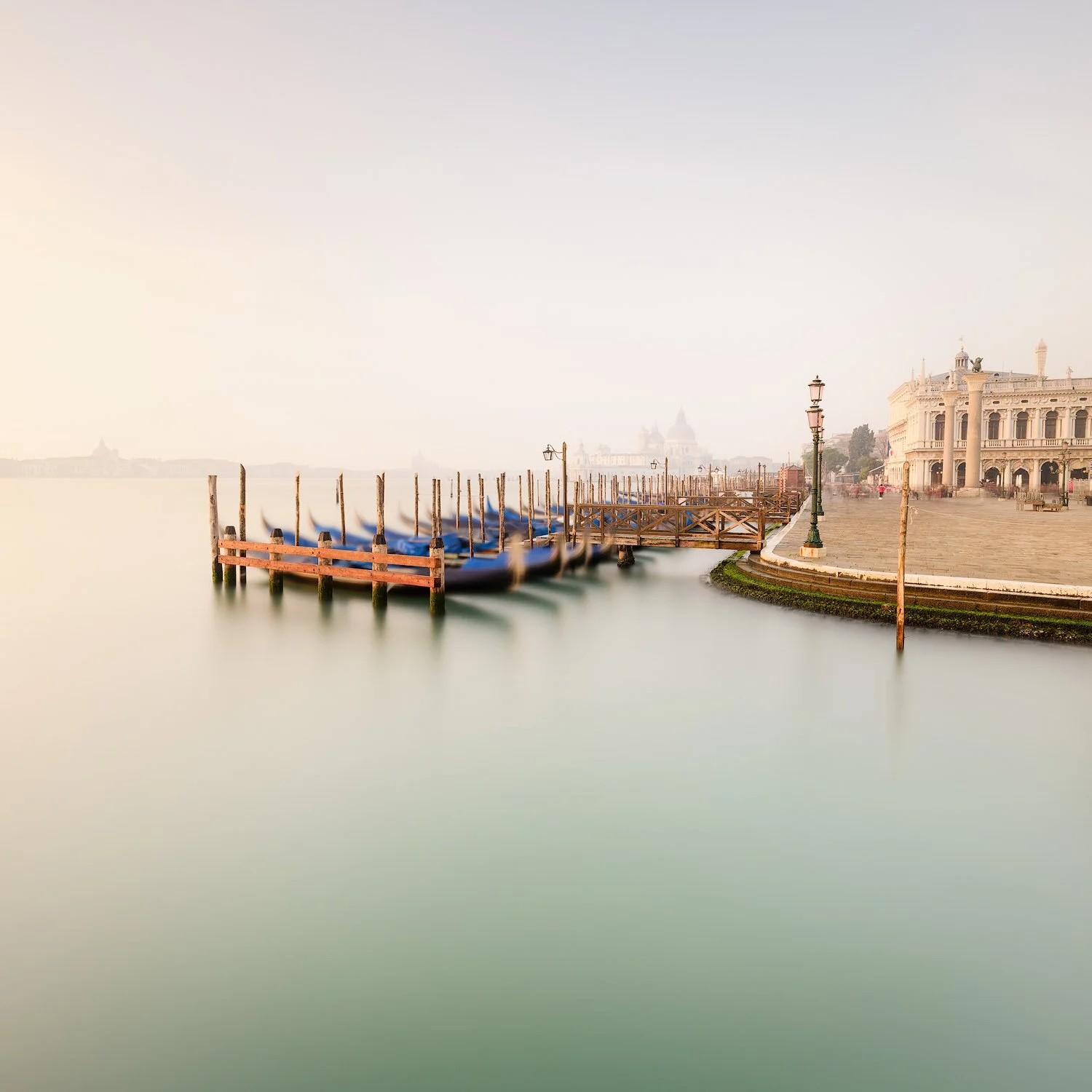
Join Scott Reither for a seven-day immersive photography workshop in Venice, focused on working with light, water, and atmosphere in one of the world’s most visually rich cities. Days unfold on foot, shaped by changing conditions, with time spent both exploring and working scenes as they develop.
Limited to three to five participants, the experience stays focused and personal, with hands-on guidance throughout the week. This workshop is designed for photographers who want to deepen their process, refine decision-making in the field, and create work that feels deliberate, resolved, and true to the city.
Only 3-5 spots available.
A 50% deposit secures your place.
Remaining balance due November 15, 2026.
Still have questions?
Read the Workshop FAQ →