VENICE AND THE ILLUSION OF REALITY
The first time I arrived in Venice, nothing could have prepared me for what was waiting outside the train station.
Water taxis cutting across the Grand Canal. Gondoliers calling out across the water. Domed churches and ancient buildings rising directly from the water like enormous theatrical backdrops. All of it in motion, all of it fully alive.
The closest comparison I can make is stepping into the middle of a massive film set while the scene is already unfolding around you. Not artificial exactly — but somehow too visually complete to feel entirely accidental. The city arrives all at once, like a world already fully constructed before you entered it.
And that sensation never fully disappears.
Even after many visits, Venice still affects my sense of orientation in a way I've never experienced anywhere else. Part of that comes from the complete absence of cars and roads. Movement happens almost entirely by foot or by boat, and the effect is immediate. You walk more slowly. Your attention changes. You begin noticing reflections beneath bridges, footsteps echoing through narrow corridors, voices drifting across the water.
Time feels different there too.
Modern cities are designed around efficiency. Venice feels almost indifferent to it. The city slows you down whether you want it to or not, and after a while you begin realizing how much of ordinary life is normally spent moving past things too quickly to fully absorb them.
Even getting lost feels different in Venice. In most places, getting lost eventually becomes frustrating. In Venice, it often becomes the experience itself. Turning down unfamiliar passages, crossing bridges without knowing where they lead, wandering deeper into quieter neighborhoods — this is where some of the most memorable moments happen. There may not be a better city on earth to get lost in.
Almost everywhere you look feels visually compelling. Water and reflections in every direction. Architecture rising directly from the canals. Layers of movement constantly reorganizing themselves — shifting light, arriving boats, changing atmosphere. At first, it feels limitless.
But that abundance is also the trap.
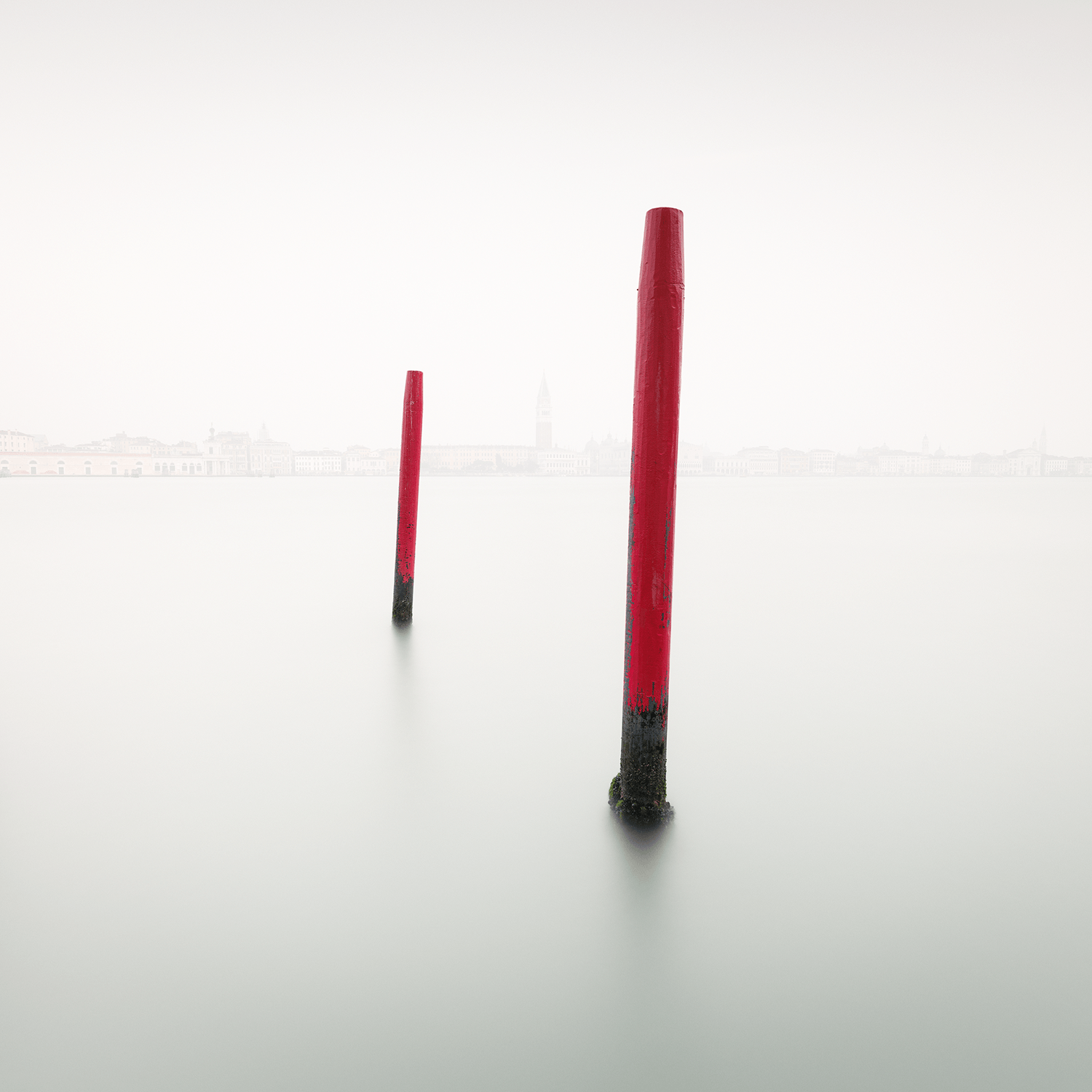
Venice seduces with Form — and the instinct is to include as much of it as possible. Every reflection, every gondola, every layer of movement and architecture filling the frame. But the images that come back rarely match the feeling of having been there. Too much Form, not enough Space. The camera captured the scene and missed the experience entirely.
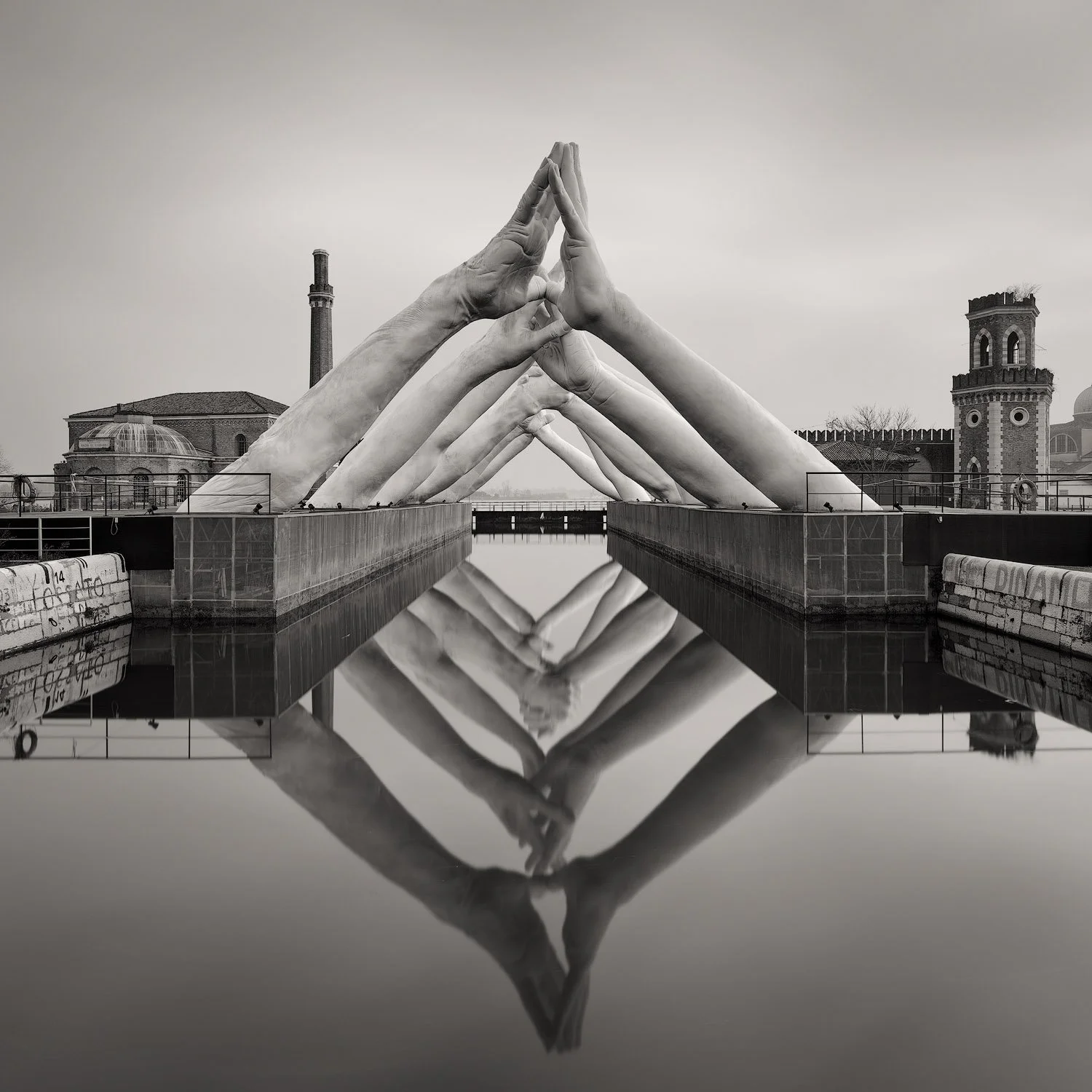
The city holds up a mirror. And what it reflects back isn't the scene in front of you — it's your own visual instincts, your hesitations, your sense of what actually matters. Eventually you have to ask not just what you're photographing — but why. Not just what caught your eye — but what it says about how you see. What belongs to Venice, and what belongs to you?
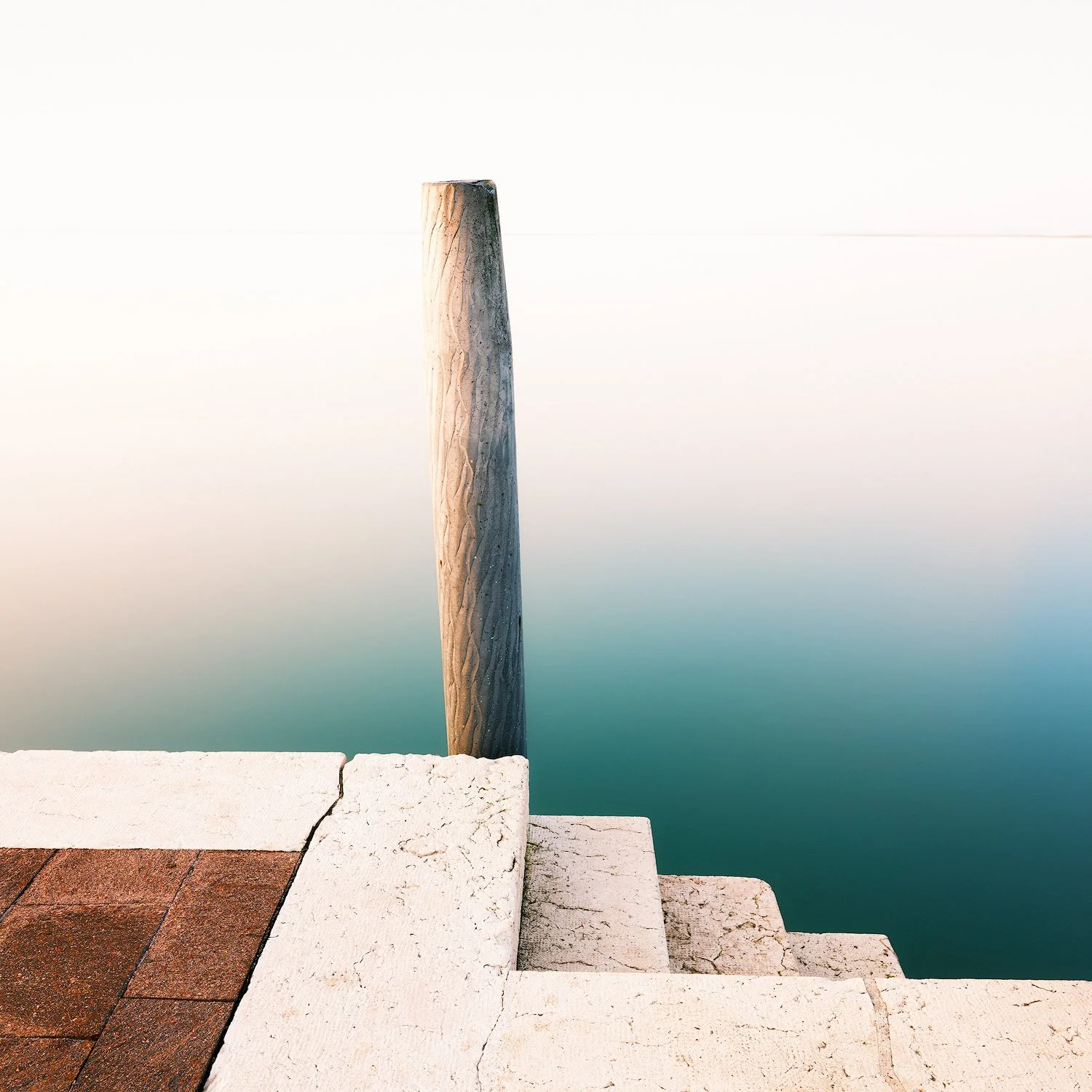
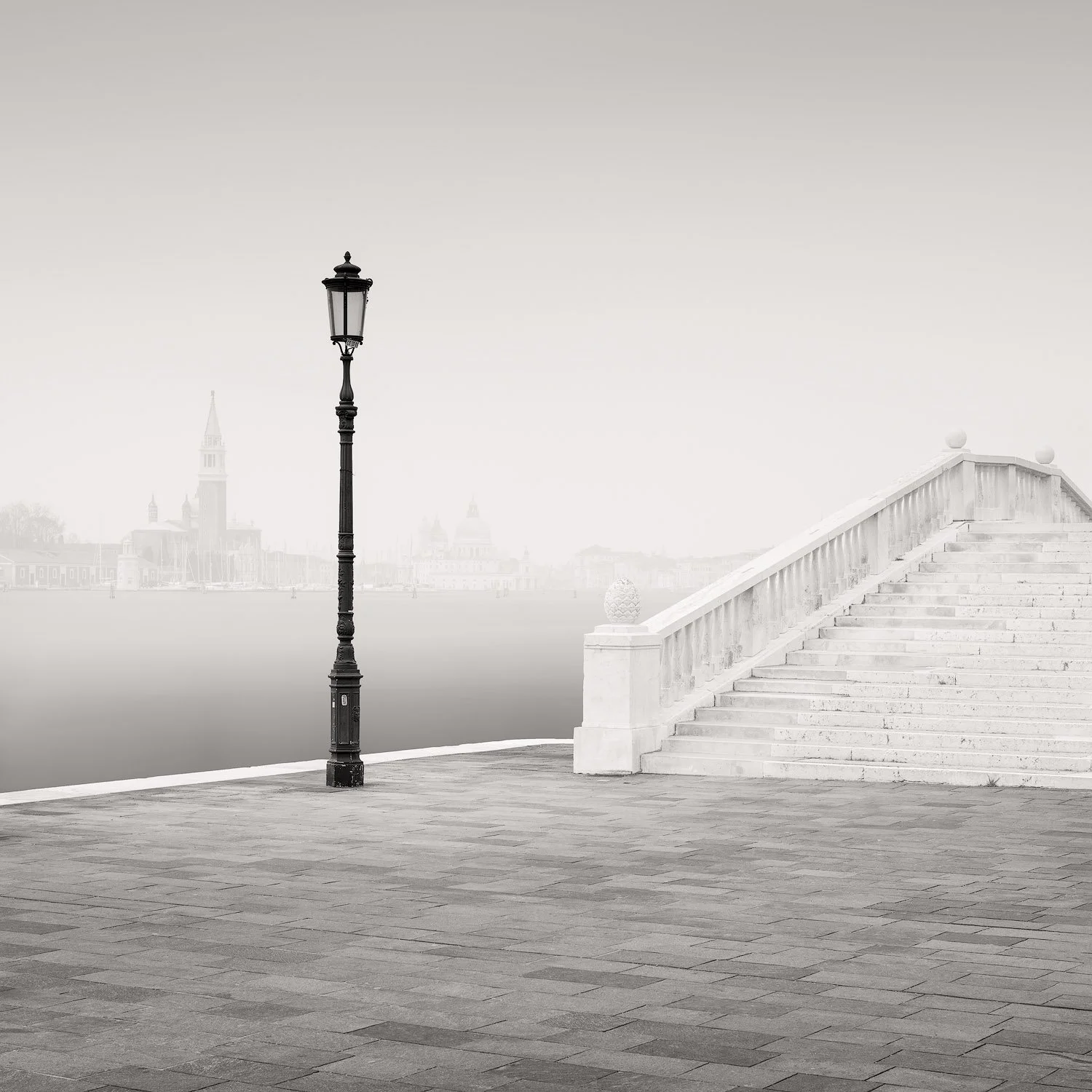
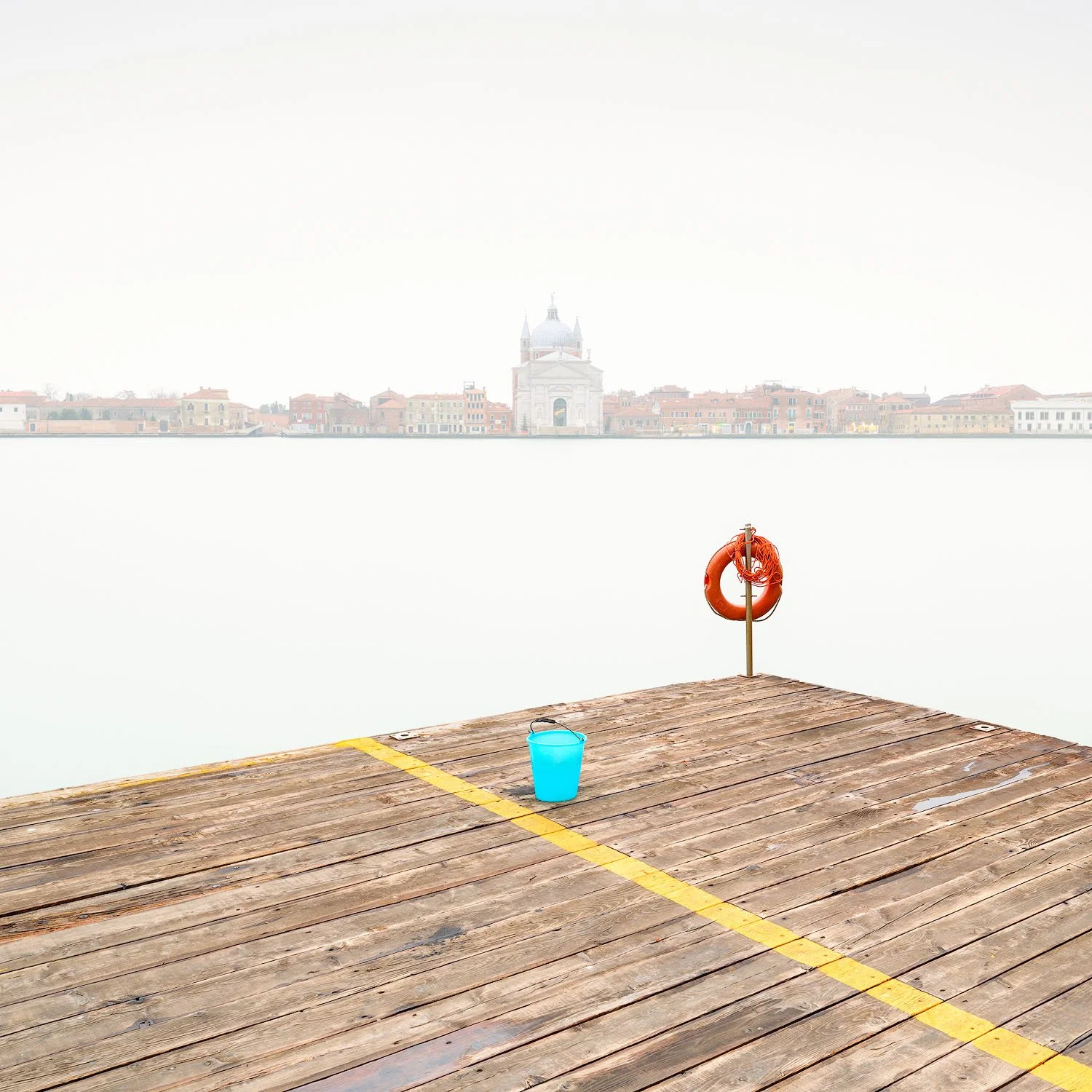
Winter brings that question into even sharper focus. Crowds thin. Sound softens. Fog begins removing Form from the scene rather than adding to it. Distance collapses. Buildings dissolve quietly into atmosphere. What initially felt limitless starts resolving into rhythm, gesture, tone, and space.
The strongest work lives not in trying to describe Venice completely, but in finding what's small and precise and true within it. A single form disappearing into fog. A subtle relationship between shape and reflection. A small pocket of stillness surrounded by movement and complexity. The balance between Form and Space that makes an image breathe.
Because you're never really just photographing a place. You're photographing who you are at the moment you encounter it — less concerned with capturing Venice than with expressing something true about the experience of being there. And if you stay with the work long enough — if you let a place like Venice do what it does — you begin photographing not just who you are now, but who you are in the process of becoming.
Venice does the opposite of what you'd expect. The deeper you go, the more it reveals itself — not as illusion or performance, but as something that could only have become exactly this. A city that has been composing itself for five hundred years and has no intention of stopping.
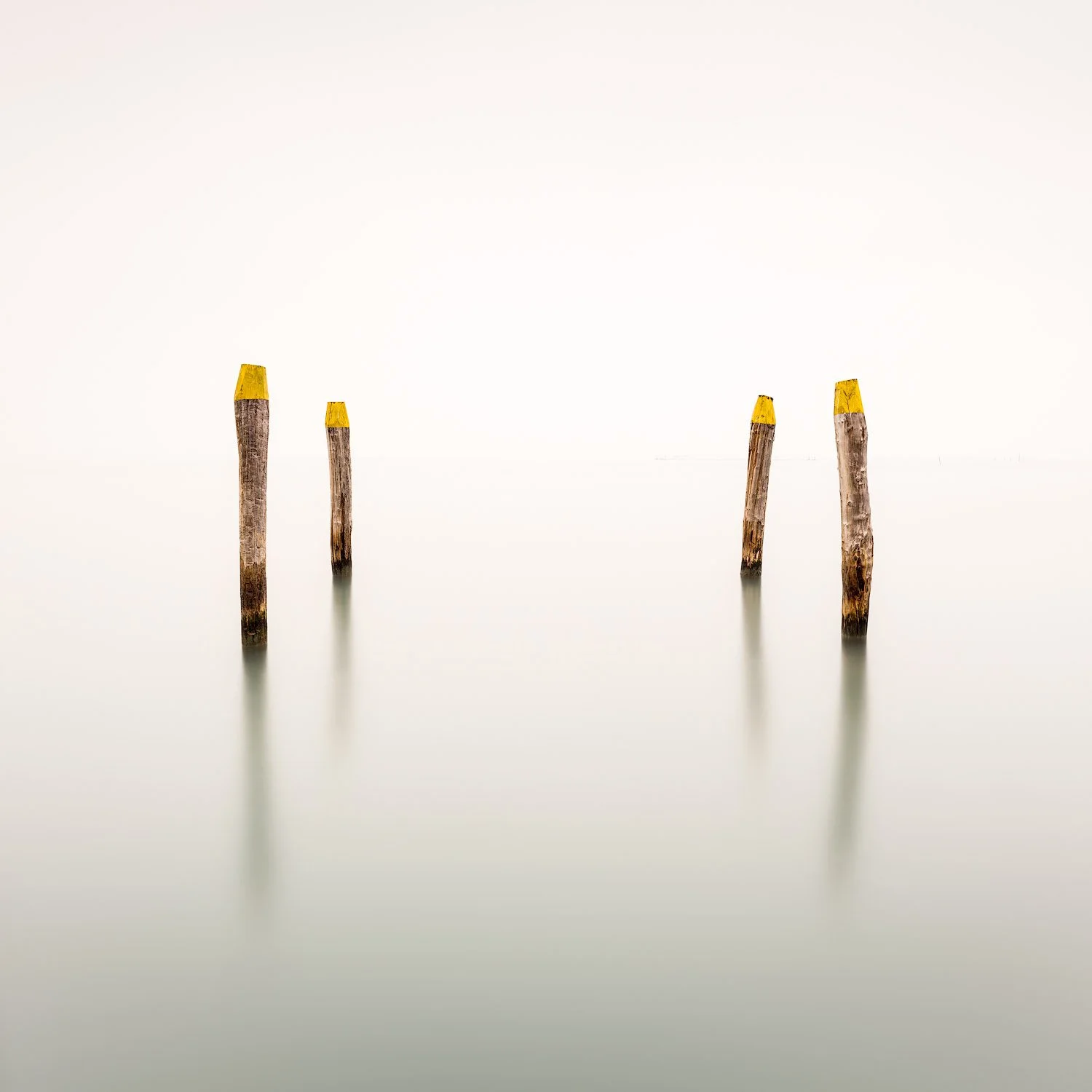
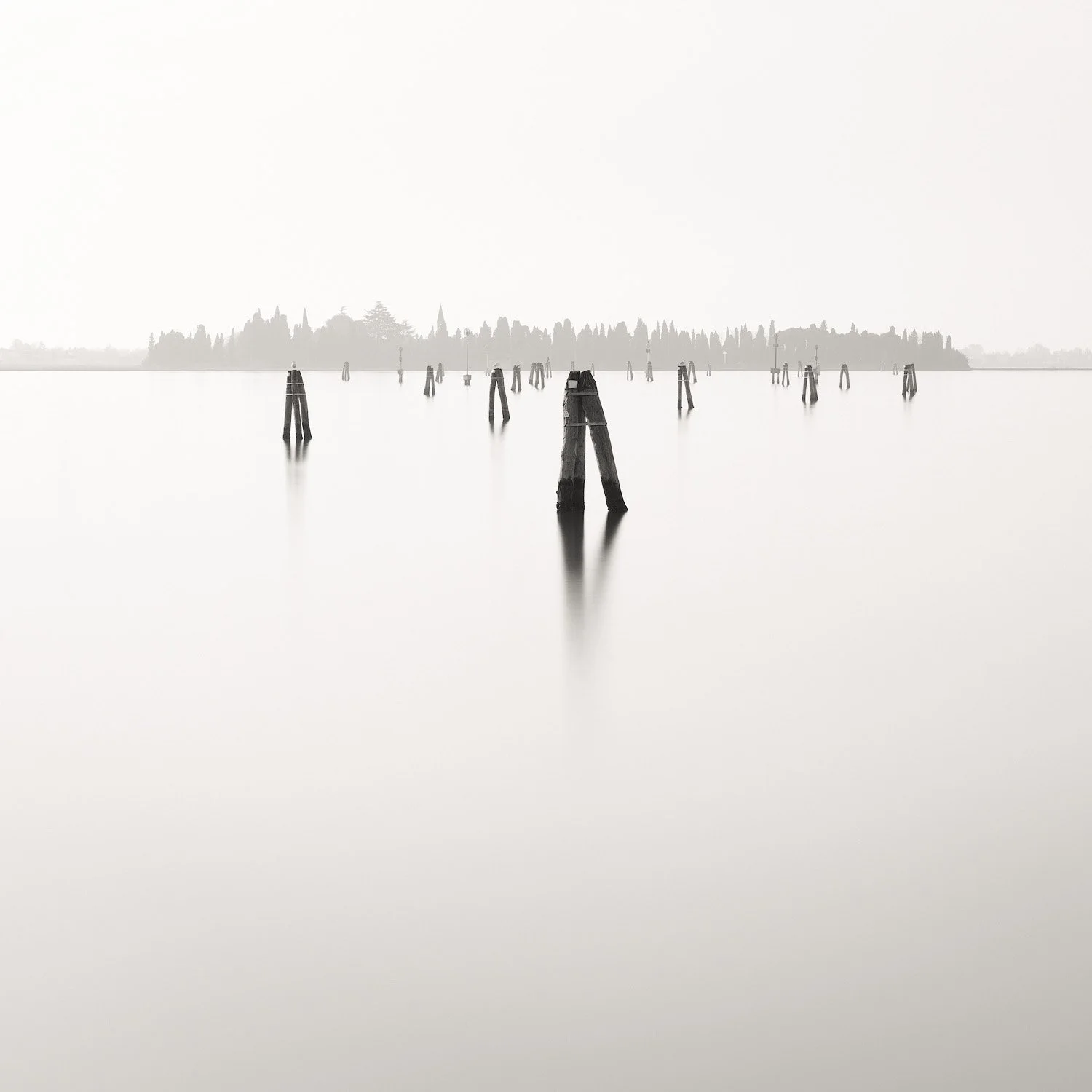
If this way of seeing and working resonates with you, I’ll be returning to Venice in January 2027 for a small-group photography workshop focused on depth, mood, rhythm, and intentional image-making during the quiet winter season.

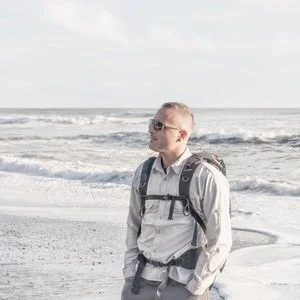
Hi, I’m Scott Reither—fine art photographer, educator, and the founder of The Curated Landscape.
I created this space to share reflections and tools for photographers who want to go deeper—into their craft, their process, and how they connect with the world through the lens.